Clinical Peptide Therapy
Precision Medicine — Not Peptide Guesswork
Peptide therapy at KC Performance is not about handing out vials and saying 'good luck.' It's about using advanced biologic tools strategically — guided by diagnostics, symptoms, and clinical oversight — to improve recovery, tissue repair, metabolic health, and long-term performance. We start by completing an in-depth assessment of biomarkers to truly understand why you're feeling the way you do and what's blocking you from your goals. Every peptide plan is guided, intentional, and built around what your body actually needs. Peptides are not sold independently. They are only used as part of a supervised clinical program under the care of a licensed medical provider sourcing from FDA approved compounding facility.
Highlights
- 5-Step Clinical Process Before Prescribing
- FDA-Approved Compounding Pharmacy Sourced
- Full Biomarker Assessment Included
- Licensed Provider Oversight Throughout
- Injury, Recovery, Fat Loss & Energy Protocols
Program Sections
For Athletes Whose Body Isn't Responding the Way It Used To
This is for active adults and athletes who are still training, still competing, or still trying to push their body — but feel like something has changed.
You may recognize yourself in this:
- Old injuries that never fully resolved — knee, shoulder, hip, Achilles — pain that lingers even when imaging looks 'fine'
- Recovery that takes longer than it should, even when training volume hasn't increased
- Training consistently but struggling to build muscle or regain strength
- Weight or body fat that won't move without extreme restriction
- Feeling inflamed, puffy, or soft instead of lean and responsive
- Energy that fades earlier in the day than it used to
- Brain fog, slower mental sharpness, or feeling less 'locked in'
- Sleep that doesn't fully recharge you
Most athletes are told this is just aging — or that they need to train harder, eat cleaner, or push through.
Clinically, what we usually see is something different: your recovery, metabolic, hormonal, or tissue-repair systems are no longer keeping up with the demands you're placing on your body.
That's often when people start asking about peptides — not because they want a shortcut, but because their body stopped adapting the way it once did.
Our consultation exists to help you understand why that happens, what peptides actually support, and how they're used responsibly as part of a bigger performance and recovery strategy — not in isolation.
Peptides Are About Giving Athletes an Edge — Not Guessing
Most athletes don't come asking about peptides because they want a shortcut. They come because their body stopped responding the way it used to and they want to feel as great as they did 10+ years ago, but it feels way more difficult to achieve that as they get older.
Clinically, this usually means one thing: the systems responsible for recovery, repair, and adaptation are underperforming.
Peptides exist to enhance specific biological signals that drive performance, recovery, and adaptation. Our role as clinicians is to determine which signal is underperforming — and whether a peptide can help amplify it.
Peptides work by enhancing specific biological signals — the same signals your body already uses to:
- Repair injured tissue
- Regulate appetite and body composition
- Build and preserve lean muscle
- Support mitochondrial energy production
- Calm chronic inflammation
- Improve sleep and recovery quality
But here's the part most people miss: If the underlying system is dysregulated, peptides alone won't fix it. They'll either underperform — or make things worse.
What This Looks Like in Real Athletes
Chronic Joint Pain Limiting Performance
You feel fine warming up — but by the second or third game, your knee or shoulder starts to ache. You avoid certain moves, hesitate on cuts, or subconsciously protect one side. Cortisone helped briefly, but the problem always comes back.
Tissue never fully repaired. Inflammation stays elevated. Load tolerance is reduced.
Peptides like BPC-157 and TB-500 enhance tissue repair signaling and support tendon, ligament, and muscle healing. The goal isn't pain suppression — it's improving the quality and durability of the tissue so your body trusts that joint again.
Weight Gain, Poor Conditioning, or Energy Drop-Off
You're training consistently, but conditioning feels harder to regain, weight or body fat won't move, energy dips earlier than it used to, and recovery between sessions is slower.
Impaired fuel utilization. Elevated fasting insulin. Reduced metabolic efficiency.
Retatrutide and other GLP-based peptides enhance metabolic signaling that improves insulin sensitivity, appetite regulation, and energy efficiency. For athletes, this can mean improved body composition without extreme restriction — and better conditioning over time.
How We Use Peptides Differently
We use peptides as part of a guided performance and recovery strategy, not as standalone injections handed out with no context.
Before peptide therapy is ever discussed, we evaluate:
- Metabolic health (insulin regulation, inflammation, nutrient status)
- Hormonal environment (signals that allow tissue repair and muscle growth)
- Injury history and tissue integrity
- Recovery capacity and training load tolerance
- Body composition and energy efficiency
This allows us to answer the most important question first: What is actually limiting your progress right now?
For some athletes, it's tissue that never fully healed. For others, it's inflammation suppressing adaptation. For others, it's metabolic resistance or poor mitochondrial output.
Peptides are selected — or not selected — based on that answer.
Other Performance Signals Peptides Can Support
Depending on the athlete, peptides may be used to support:
- Inflammation control and tissue recovery
- Muscle preservation and growth signaling
- Sleep quality and nervous system recovery
- Mitochondrial efficiency and energy production
- Skin, connective tissue, and collagen support
- Gut-immune signaling that affects recovery and inflammation
Why Peptides Sometimes 'Don't Work'
Athletes often assume: 'I'm not making gains — I must need stronger peptides.' Clinically, we often find something else:
- Recovery markers are suppressed
- Inflammation is chronically elevated
- Fasting insulin is well above optimal
- Hormonal signaling isn't supportive of adaptation
In those cases:
- Muscle-building signals don't translate
- Fat loss stalls
- Healing slows
- Energy stays inconsistent
Peptides can't override a system that's already overloaded or dysregulated.
This is why many athletes cycle peptides without real progress — and why others get incredible results.
How We Evaluate Athletes Before Using Peptides
Before starting peptide therapy, we identify:
- Which system is limiting performance (metabolic, recovery, tissue, hormonal)
- Whether your body is actually in a position to respond
- Which signal needs enhancement — not just stimulation
This includes:
- Biomarkers tied to recovery, inflammation, metabolism, and performance hormones
- Injury and tissue evaluation
- Conditioning and workload tolerance
- Body composition and energy efficiency
Once we know what's actually limiting progress, peptides become a precision tool — not a gamble.
That's the difference between random peptide use and clinically guided performance enhancement.
Clinically Guided Peptide Therapy — Built Around Athlete Outcomes
At KC Performance, peptides are not sold independently or handed out casually. They're incorporated into structured clinical programs, under medical supervision, based on what system is limiting your performance, recovery, or progress.
Athletes often come in asking for peptides by name — because they've heard about them on podcasts, online, or from teammates. That's not a problem. Our role is to determine whether that peptide actually fits what your body needs right now.
Below are the primary peptide categories we work with — organized by the outcomes athletes are actually looking for.
Injury Repair, Joint Health & Chronic Pain
'Why does my knee/shoulder still bother me even though imaging looks fine?' This is where many athletes first hear about the Wolverine Stack — typically referring to BPC-157 + TB-500.
- • Used when: Chronic knee, shoulder, hip, or Achilles pain; old injuries that flare with volume; cortisone that helped temporarily but didn't fix the issue; hesitation or lack of confidence in certain movements
- • Peptides help: Improve tendon and ligament healing; support tissue repair and remodeling; reduce chronic inflammation at the tissue level
- • Common peptides: BPC-157, TB-500, GHK-Cu (Copper Peptide) for connective tissue, skin, and recovery support
Fat Loss, Conditioning & Metabolic Efficiency
'I'm training, but my body composition and conditioning won't respond.' This is where athletes often ask about GLP peptides — now including retatrutide.
- • Used when: Stubborn fat despite consistent training; poor conditioning relative to effort; energy crashes or difficulty recovering between sessions; feeling inflamed or 'soft' instead of lean and responsive
- • Peptides support: Improved insulin sensitivity; appetite regulation without extreme restriction; more efficient fuel utilization
- • Common peptides: Retatrutide, Tirzepatide, Semaglutide, and other GLP-based peptides
These are used strategically — not as appetite suppressants alone, but to improve metabolic signaling so training actually translates.
Muscle Building, Recovery & Adaptation
'I'm lifting and training, but I'm not gaining or maintaining muscle like I used to.'
- • Used when: Slower recovery between sessions; difficulty building or maintaining lean muscle; feeling underpowered or 'flat' despite effort
- • Peptides support: Growth hormone signaling; muscle recovery and adaptation; lean tissue preservation
- • Common peptides: CJC-1295 / Ipamorelin, Tesamorelin
These are rarely used alone — they work best when recovery, sleep, and metabolic health are supported.
Inflammation, Gut Health & Systemic Recovery
'I feel inflamed all the time and it's affecting my performance.'
- • Used when: Chronic soreness or stiffness; GI symptoms impacting recovery; inflammation that lingers longer than expected
- • Peptides support: Immune regulation; gut barrier health; reduced systemic inflammation
- • Common peptides: KPV, BPC-157 (dual gut + tissue role)
Energy, Brain Fog & Mitochondrial Support
'My body works, but my energy and focus aren't there.'
- • Used when: Brain fog or mental fatigue; reduced focus during games or training; energy that doesn't match effort
- • Compounds support: Cellular energy production; mitochondrial efficiency; cognitive clarity
- • Common names: SS-31, Methylene Blue, SLU-PP, NAD+
We don't
- Hand out vials and syringes with no plan
- Push aggressive stacks
- Prescribe peptides without understanding your physiology
We do
- Match peptides to specific performance-limiting systems
- Build guided, monitored protocols
- Adjust based on response and data
- Use peptides to enhance adaptation, not override recovery
If you don't see a peptide listed here, it doesn't mean we don't work with it — we stay current with emerging therapies and are happy to discuss them during evaluation.
A Simple, Structured Process — Built for Athletes
Peptide therapy at KC Performance follows a clear medical process designed to give athletes results — not guesswork.
It works like this:
Assessment
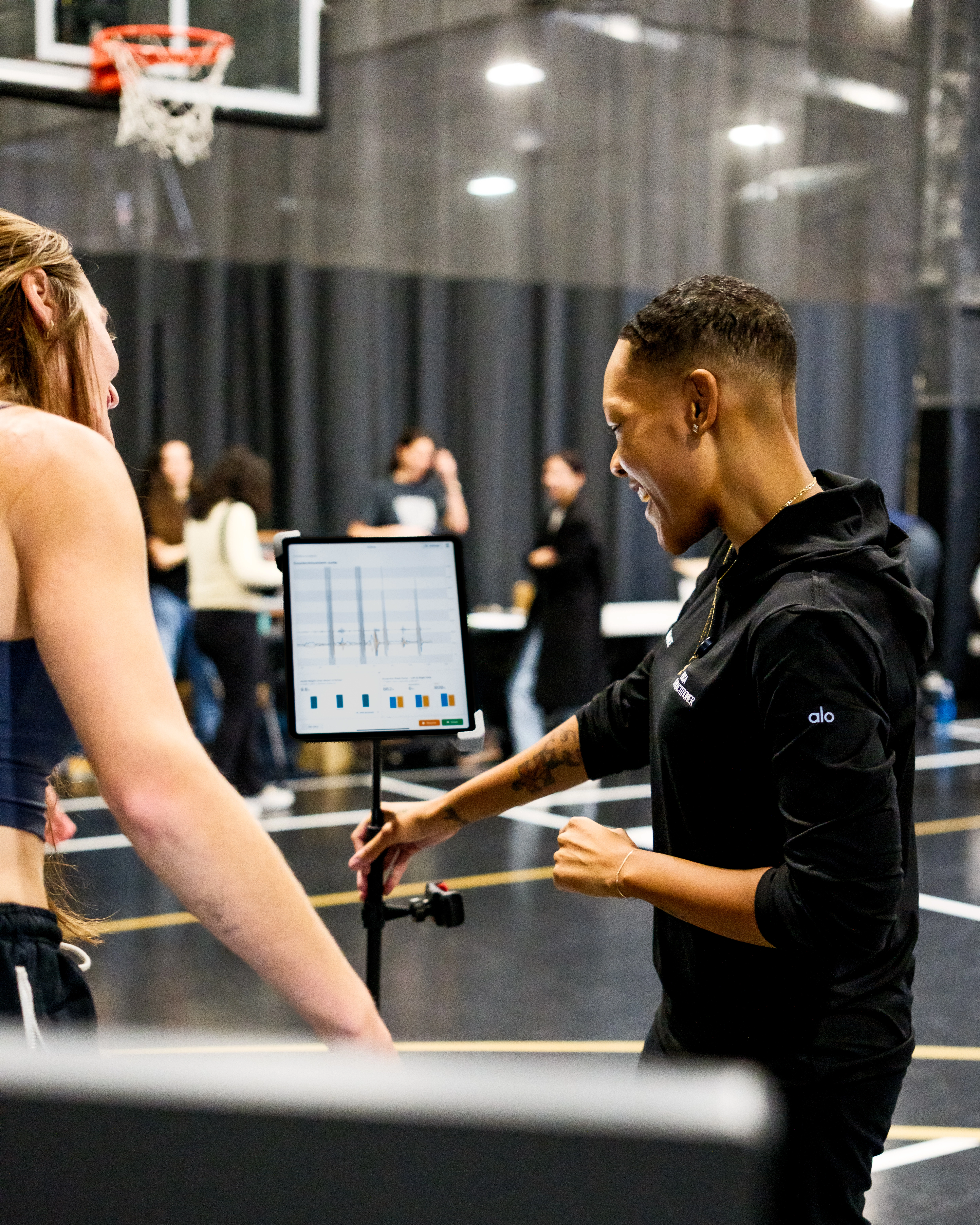
We start with a comprehensive performance and health assessment to understand how your body is functioning right now. This includes performance and recovery capacity, metabolic and conditioning markers, injury history and tissue health, and body composition and energy efficiency. This step gives us objective data — not assumptions.
Symptom Mapping
Next, we connect your symptoms to what's actually happening physiologically — things like lingering joint pain, stalled muscle gains, poor conditioning, fatigue or brain fog, and weight that won't move. This is where athletes usually say: 'That explains exactly what I've been feeling.'
Bloodwork Review
We review advanced athlete-specific labs to assess inflammation, recovery capacity, metabolic efficiency (including insulin signaling), performance-related hormones, and nutrient status. This tells us whether your body is in a position to respond to peptides — or what needs to be addressed first.
Determine What's Limiting Progress
Using all of the above, we identify the primary system holding you back — recovery, metabolism, tissue integrity, or energy and adaptation. This is the most important step — because peptides only work when matched to the right limitation.
Build a Guided Peptide Plan (When Appropriate)
If peptides are a fit, we create a structured, supervised plan with clear goals, defined timelines, ongoing monitoring, and adjustments based on response. No random stacks. No one-size-fits-all protocols.
Why This Works
Most athletes fail with peptides because they skip steps 1-4.
Our process ensures peptides:
- Enhance the right signals
- Produce measurable outcomes
- Support long-term performance and longevity
Let's identify what's limiting your recovery, energy, or performance — and build a plan that actually works.
Book Your Consultation